Simulate molecules no databank has
ML and physics predict thermodynamic and transport properties from structure, anchored to measured data wherever it exists.
Morio predicts the properties of molecules no databank has seen, puts a calibrated error bar on every one, and runs them through your flowsheet to purity, energy and cost. You see the answer, and how far to trust it, before anyone commits capital.
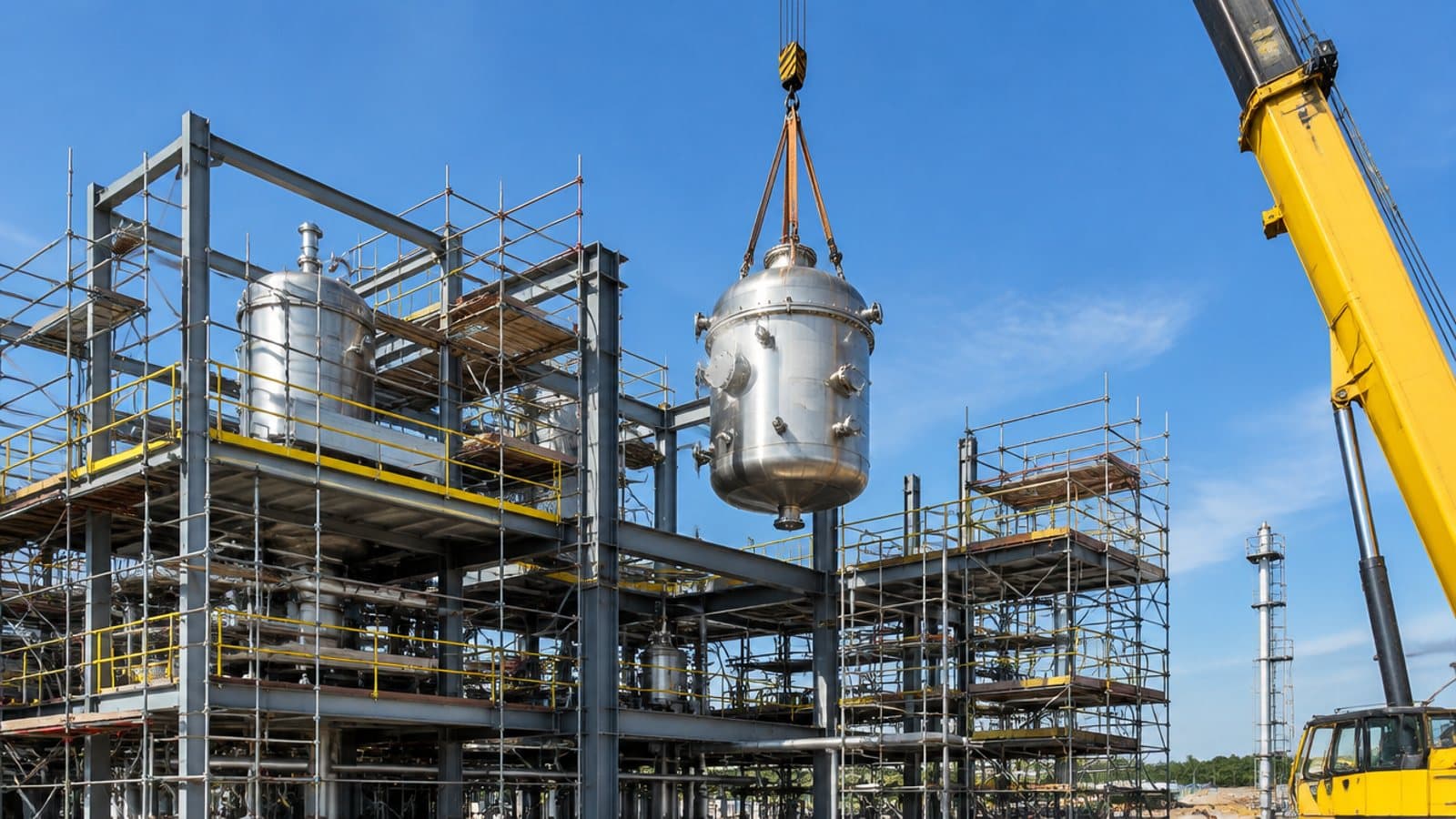
AI and high-throughput labs now propose candidates faster than any team can evaluate them. Yet only about a hundred new chemicals reach US production each year, because nobody builds a plant around a molecule they cannot simulate.
A new compound is in no databank. Its properties get estimated by hand, with group-contribution methods that are decades old.
A guessed viscosity looks exactly as certain as a measured one. Nobody can say how far the purity or the energy bill could move.
Every flowsheet is built by a scarce process engineer, so most of the molecules your chemists or your models generate are never looked at.
Years and capital go into finding out what the simulation could not tell you. The surprises arrive when they are most expensive.
ML and physics predict thermodynamic and transport properties from structure, anchored to measured data wherever it exists.
Every property carries a calibrated band, and the band follows it through the flowsheet to purity, energy and cost.
Agents build and sweep flowsheet variants for each candidate and rank them on what matters at plant scale.
Export a CAPE-OPEN property package into Aspen Plus, HYSYS, DWSIM or gPROMS. Your validated models stay where they are.
Other tools stop at the property, or hand you a single number. Morio carries the uncertainty all the way through, so the risk is on the table before anyone builds anything.
Bring a structure. No measured data needed.
Predicted from structure, with a calibrated band and a source on every value.
Agents run your process with the bands attached and sweep the design.
Purity, energy and cost with error bars. Export to your simulator, or make the call.
 Property package · IL-7 · new compound
Five of eight properties are predicted; the viscosity band drives most of the duty uncertainty.
Each value shows whether it was measured, predicted or fitted, and from what.
The agent suggests a change and shows the band it moves. Nothing changes until an engineer says so.
Morio tells you which single lab measurement would shrink the uncertainty most, so the lab works on what moves the decision.
Results export through CAPE-OPEN, the standard way to plug a property package into a process simulator. Your plants keep their tools and their validated models. Morio adds the part none of them have: properties you can trust for a molecule no databank has seen.

| Today | With Morio | |
|---|---|---|
| Properties | Hand estimates from decades-old group-contribution methods | Predicted from structure by ML and physics, anchored to measured data |
| Uncertainty | One number, no error bar | A calibrated band on every property |
| Plant-scale impact | Unknown until the pilot plant | Bands carried through to purity, energy and cost |
| Candidates evaluated | A handful, one flowsheet at a time | Every candidate, swept by agents |
| Workflow | Desktop tools, scripted by hand | API-first and agent-native, with an MCP server |
Make the go or no-go call on a new molecule before the pilot plant, with the risk on the table.
Rank candidates by whether they can be made and run at scale, not only by how they perform in the flask.
Get a property package with error bars for compounds no databank has, inside the simulator you already use.
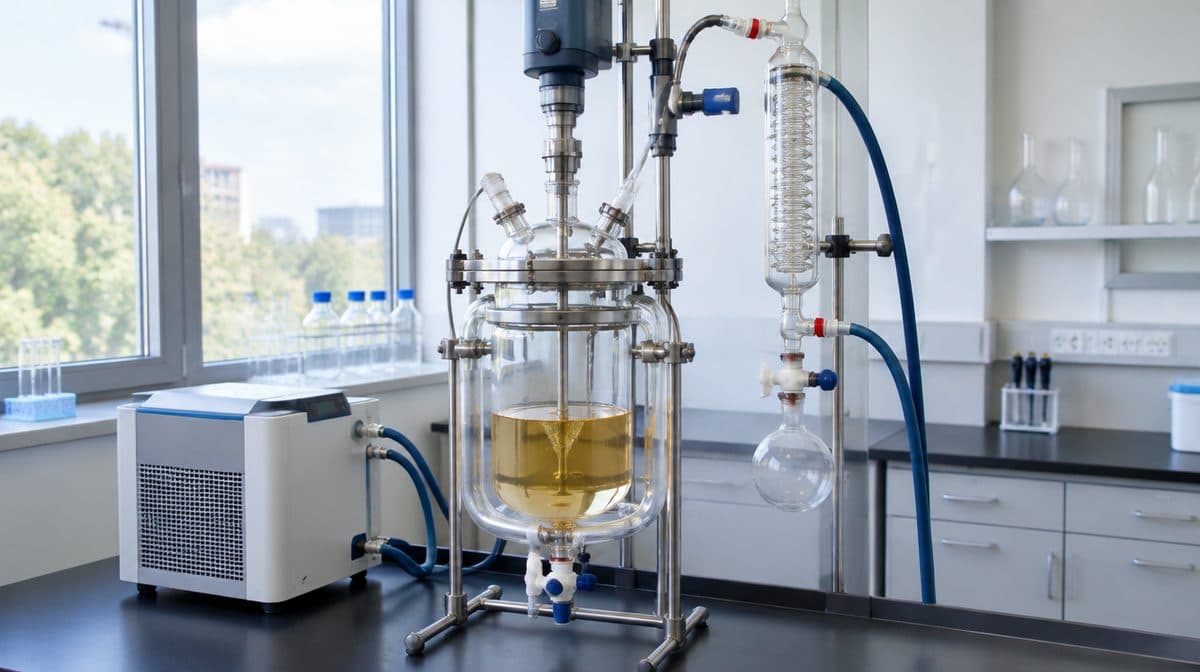
Our team designed a CO₂-capture molecule, had it validated independently by URV in Spain, and supplied its parameters to SOCAR's Aspen Plus digital twin of the STAR refinery, where it captured 67 % of CO₂ at 15 bar. Morio is that loop, turned into software.
Tell us about the candidate and the process it has to run in. We will scope a pilot on your own flowsheet.